I’ve been pretty lucky to spend a considerable part of the last four or five years travelling around by way of house and cat sitting. I’ve house and cat sat all over the USA and across Australia, and Canada was next on my list. I’d organised back-to-back house sits in Montreal, Toronto and Ottawa, and I was returning to the US for sits in New Orleans and Baltimore before going home.

I wanted to save an extra few hundred dollars so I booked a flight that went via the US. This was instead of getting a domestic flight to either Sydney or Melbourne before flying on to Vancouver. All I had to do was pass through immigration at LAX—this is something even those in transit have to do—before getting on another one of two flights. Immigration lines at LAX are known to be ridiculously long, but I’m usually in and out within 45 minutes. This time, however, it was a little different. It took almost two hours to make it to the front of the queue. The immigration officer who called me over started with the standard “Where are you going?” (Montreal) and “What are you doing there?” (holiday/vacation) questions. He became annoyed when I couldn’t produce boarding passes for my Los Angeles–Philadelphia and Philadelphia–Montreal flights, and that’s because I wasn’t issued these at Brisbane Airport. The Qantas worker who checked me in even called someone to double check. Whatever information was relayed back to her must’ve been OK’d by someone higher up because I was given my Brisbane–Los Angeles boarding pass and baggage receipt, and sent on my way. The Qantas baggage receipt had my connecting flights listed on it and I offered to show the immigration officer an email copy of the booking. He wasn’t interested in looking at either of these and went straight to asking what ‘stuff’ I brought with me. I asked him to clarify what he meant by ‘stuff’ before telling him I had things like clothes, toiletries, cereal and biscuits [cookies] in my suitcase. Nothing unusual for someone going on an extended holiday. And that’s when I started to have an uneasy feeling about where all of this was going.

I suspect my most recent house and cat sitting adventure triggered something in the system when the officer scanned my passport because he started asking:
I said the January–April trip was spent holidaying around the country and that only confused him more. It’s as if he was like ‘Why would anyone spend that long vacationing in the United States?’ I told him I was able to get around to so many places because I looked after people’s cats—unpaid, of course, and arranged through a website called TrustedHousesitters—in cities and towns I wanted to visit. I said these trips are taken in between paid contract jobs back home, but ‘contracting’ seems to be a concept a lot of Americans can’t quite wrap their heads around. The officer had hard time understanding why I’ve had so many different contract jobs, and why I only work three or four months at a time. My last lengthy contract job finished in December 2021. I then spent the next month cat sitting in Sydney before heading off on an extended trip to the US. It’d been close to two years since I’d been to the US and I wanted to get to as many places as I could within 90 days. After my final sit in Portland—which finished on the morning of 4 April 2022—I returned home to Australia where I worked until the end of the financial year (i.e. 30 June 2022).

The immigration officer now wanted to know where I found these house sitting opportunities. I tried to show him the TrustedHousesitters app hoping it’d reinforce it’s a legitimate way for budget-conscious travellers to get around. He wasn’t interested and said someone else would look it over. I was told to step aside, and that another Customs and Border Protection (CBP) officer would take me in for further questioning. As I was waiting for whatever was going to happen next, I thought back to a story I read where a young Australian guy was detained upon arrival in the United States. He was strip and cavity searched, spent 30 hours in jail, and was sent back to Australia as soon as he could get the money together for a ticket. This guy’s final destination wasn’t even anywhere in the United States. He was in transit just like I was.
Extensive questioning
The next CBP officer instructed me to follow him to a closed off part of the immigration processing area. My passport was taken and I wasn’t allowed to use any of my electronic devices. No-one being held in this area was allowed to. All I could do was sit and wait, and hope I’d make my flight to Philadelphia. This CBP officer told me to take a seat and wait until my name was called. About 20 minutes later, I found myself dealing with a much younger immigration officer. He said he ‘got’ I wasn’t being paid to house sit, but he said house sitting went against what’s permitted on an ESTA. ESTA stand for Electronic System for Travel Authorization and forms part of the Visa Waiver Program (VWP). The VWP allows “nationals of certain countries to travel to the United States for tourism … for stays of 90 days or less without obtaining a visa”. The officer said pet owners would have to pay someone—I assume he meant an American citizen—to look after their pet if it wasn’t for me. He then asked me to detail what I do for work in Australia. He also wanted to know things like:
- How much cash I had on me
- Where I had intended to go on the trip
- What I do on these trips
- How long I’d been doing this for.
He seemed particularly interested in what I did in New York City just months earlier. “How did you spend your time there?” he asked. While I couldn’t remember every single thing I did in February 2022, I told him I liked to walk around all the different neighbourhoods. I went to a Broadway show, and a few galleries and museums. The next thing I knew, he wanted access to my savings account. Then he wanted to see the transactions I made using the credit card I had with me in NYC. The transaction history mustn’t have been sufficient because now he wanted bank statements for the January–April 2022 period. All the additional information he requested was provided and it was skimmed over. I don’t think he even knew what he was looking for other than international deposits as proof of payment for house sitting abroad.

A lot of the questions he asked me could only be answered with a ‘yes’ or ‘no’, and no explanation allowed. I was cut short on several occasions and reminded I could only answer yes/no. “Do you know it’s illegal to obtain employment while on an ESTA?” Yes, I know that. But is feeding someone else’s cat really seen as employment in the United States of America? I told the officer TrustedHousesitters operates on an exchange model where both parties pay an annual membership fee to use the platform. No money is given to the sitter, and my flights and transport aren’t paid for by anyone other than myself. He laughed and said these kinds of websites can say whatever they want* to get customers in. I thought if I likened house sitting to couch surfing, he’d come around. He didn’t. He said couch surfing is another thing that’s not permitted under the VWP**.
No shoelaces allowed
The immigration officer said he was going to speak to his supervisor about my situation and that I’d be questioned by another officer later on. I was told to to leave my backpack and carry-on down the hall, and had take off my sneakers. That’s because shoelaces aren’t allowed in airport detention. I could either remove the shoelaces from my sneakers or get another pair of shoes out of my carry-on. The officer told me I had to be wearing some kind of footwear so I asked if gumboots were OK. He looked very confused by ‘gumboots’. “The shoes [gumboots] people wear when it rains…” I said to him. Any physical cash I had on me had to be put on me and kept with me at all times. The dress I was wearing didn’t have pockets so I had to get my parka out of my backpack. I then had to wait for a female immigration officer to show up so she could pat me down in private.

What annoys me most about all of this is I had all the relevant documentation—a valid passport, a completed passenger attestation, an approved ESTA, an approved eTA (for Canada)*** and my international COVID vaccination certificate—needed to travel. I also had a return ticket back to Australia for 11 September 2022. The very detailed itinerary, with the addresses of where I was staying and for how long, was in my backpack. No-one asked to see any of this. Not once. Not the first officer in the general processing line and not the last officer I spoke with. They could’ve called any of the people I was house and cat sitting for to ask about the ‘arrangement’, and whether or not I was being paid.
Pat down, cash counted
It didn’t take long for a female CBP officer to signal at me to head towards her. I followed her into another room where we were joined by a second female immigration officer. The second officer would witness the pat down. The first officer—the one who told me to follow her to the pat down room—started off by asking if I was pregnant. I wasn’t sure whether to be offended by this question or cut her some slack because I was wearing a loose-fitting dress. I was, however, going to be travelling for 30 hours and began to wonder what other women wear on their journeys to the other side of the world. The next thing I remember was being asked to hand over my cash. The first female officer counted it in front of me. I had to initial some paperwork saying I agreed with the total amount and quantities of each of the notes [bills] I had with me. I was told to hold the $1,000 CAD in one hand while putting both hands up against the wall. The first female immigration officer was shouting about my hands being too far to the left. Then they were too close together. My feet needed to be farther apart. The pat down part took less than five minutes after which I was told I was now allowed to sit. “Tongue up,” the more dominant female officer yelled. I thought she was saying “Thumb up”. I realise this doesn’t make much sense, but neither did “Tongue up” at this point. The officer failed to mention the next part of the process—after being ordered to sit down—was having my mouth looked at. She got annoyed each time I misunderstood her instructions or asked her to repeat what she said. The same officer told me to take my nose ring out. “No jewellery allowed in detention,” she barked. This officer became more irate when I tried to put the nose ring in my purse rather than just throwing it in my backpack.
At some point between speaking with the first immigration officer and being patted down, a Qantas worker was called in to sort out my luggage. Someone in Homeland Security must’ve dismissed her the first time because she was called up again about 10 minutes later. One of the immigration officers asked her when the next flight to Brisbane was leaving. The Qantas worker told the officers there were no flights tonight, but one was leaving for Sydney in a few hours. I found it interesting all of this was discussed pretty much right in front of me before I’d been given a second interview. It’s like the second interview was just to tick a box rather than consider—or even do some research into—what I was saying.
Airport detention and my second interview
As I was being led to the real ‘detention’ area, the first female immigration officer asked if I was pregnant. Again. The pregnancy question was followed by “Have you recently had an abortion?” This line of questioning may seem totally inappropriate to most people, but my first thought was something like ‘What has abortion got to do with my immigration status? You guys think I’m here taking unpaid employment opportunities away from Americans.‘ I gave a verbal response of “No” and that was the end of the conversation.
We were now in the the detention area. I was told I could help myself to the assortment of chips, cookies and dried fruit snacks they had. I could use any of the toothbrushes, multiple mouthwash varieties, sanitary pads and body lotion supplies while being held here, and I was finally allowed to use the bathroom. This was the first time I had access to a bathroom (toilet, shower) despite disembarking some four hours ago. My name was called out seconds after returning from the bathroom and it was now time for my second interview. This immigration officer told me the interview would be recorded by the room’s CCTV-like camera and on an audio device. I was asked to raise my right hand and agree to it being recorded. The officer started by asking the same questions the first immigration officer did. Of the few different questions he threw at me, the ones I can remember include:
- Are you on any medication?
- What are your parents’ names?
- How much do you earn each month?
(This one didn’t go down well as I get paid weekly, sometimes even fortnightly, depending on which recruitment agency I’m contracting with. The take home pay can vary week-to-week based on how much work there is.)
- Have you ever been arrested?
It didn’t take this officer long to tell me I was being refused entry to the United States. I remember thinking ‘Seriously? Am I being sent back to Australia?‘ There was no point in arguing, crying or saying anything because he wasn’t going to change his mind. He probably didn’t care to invest any more time into the matter when there’s real crimes being committed. Being refused entry to [pass through] the United States meant I wasn’t going to Canada. Not only had my travel plans been ruined, but I was potentially disrupting other people’s plans in the process.
Fingerprinted and photographed
The second interviewer returned to fingerprint and photograph me. He documented things like my weight, height, and hair and eye colours. I found it interesting he didn’t actually weigh or measure me, or couldn’t observe my hair colour and eye colour for himself. I wasn’t exactly sure which hair colour to give him since it changes so often, but I told him my natural colour is blonde. It was a rosy shade of blonde at the time. And it’s dark red in my passport photo.

That same officer handed me print outs of the interview transcript, and told me to initial and sign them. I asked him if I could read through everything before signing. The officer said I could, but he pointed out my flight would be leaving in about 15 minutes. I didn’t want to miss that flight because it’d mean spending another 24 hours in airport detention. I quickly initialled each of the pages and asked if I could get a copy. He responded with something like he’d arrange for copies to be added to my file. The officer then gave me the option to call the Australian Embassy or make a quick personal call before being walked to my flight gate. I had to tell the officer the name of the person I was calling and give him their phone number. He said he’d be present for the entire call which wasn’t a problem—all I was relaying was that I’d been refused entry to the USA and I’d be home soon. I couldn’t get through to my mum because I didn’t have an international SIM in my phone at that point. I asked the officer if I could use his desk phone to call her and he told me I can’t make an international call from that phone. I decided to try calling a good friend through Facebook Messenger. I told him what’d happened and asked him to let my mum know. I also took the opportunity to message the person I was sitting for in Montreal. I told them I had been detained and interrogated, and was refused entry to the United States. I said I was being sent home to Australia which meant I wouldn’t be coming to Canada. I apologised for any trouble this was going to cause for them.
Sent straight back to Australia
I wasn’t given any particulars about the journey home or what this all means for future travel to the United States of America. The second immigration officer didn’t even tell me I was going home via Sydney. I only knew about this because I heard what was said between other Homeland Security staff and the Qantas worker earlier in the evening. My passport—which could only be returned to me when the Sydney-bound flight was 10 minutes from touching down—was stamped with:
Refused in accordance with INA section 217 R27038.
That refusal stamp is the only ‘evidence’ I have from the whole ordeal. I was never given any of the paperwork I asked for and have been advised I will need to submit a FOIA request for copies of my own records.
Note: The majority of this post was written on the 14-hour journey back to Sydney, Australia.
*TrustedHousesitters is of the opinion a tourist visa (or ESTA) is sufficient for house sitting in the USA. TrustedHousesitters will not update their international house sitting advice. US Customs and Border Protection says you need to be authorised to work in the United States even if the ‘work’ is unpaid house sitting.
**The Visa Waiver Program does not allow individuals to work for any type of compensation. This includes house sitting and/or performing household chores “in exchange for room and board”.
***At the time of publishing, I don’t know if the Canadian Government allows eTA holders to house and pet sit.


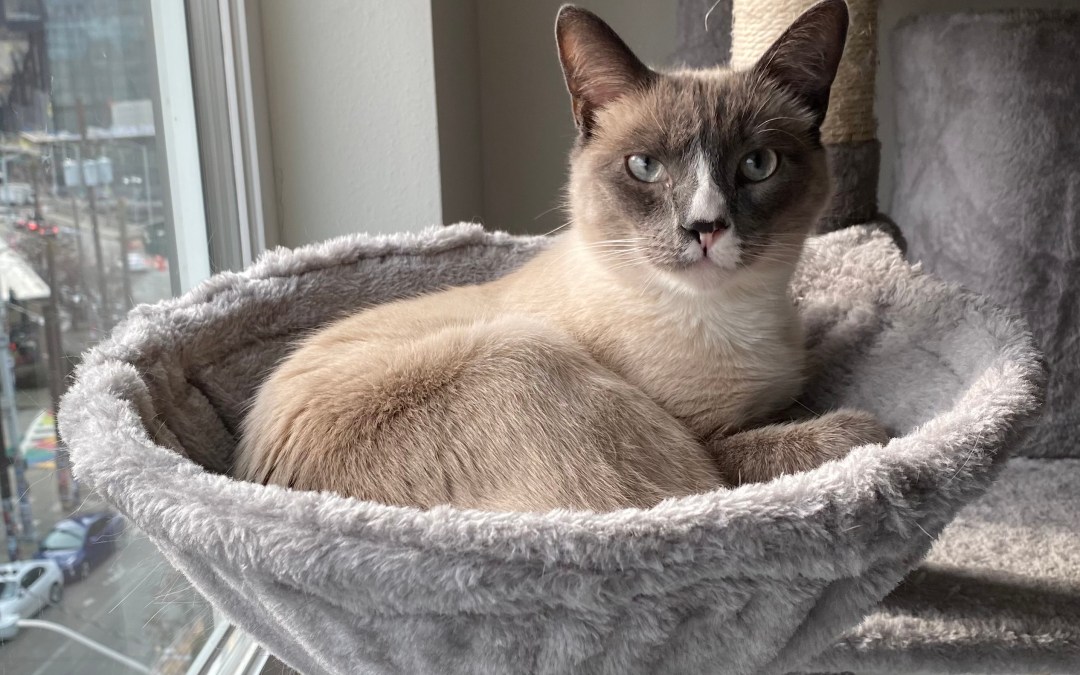


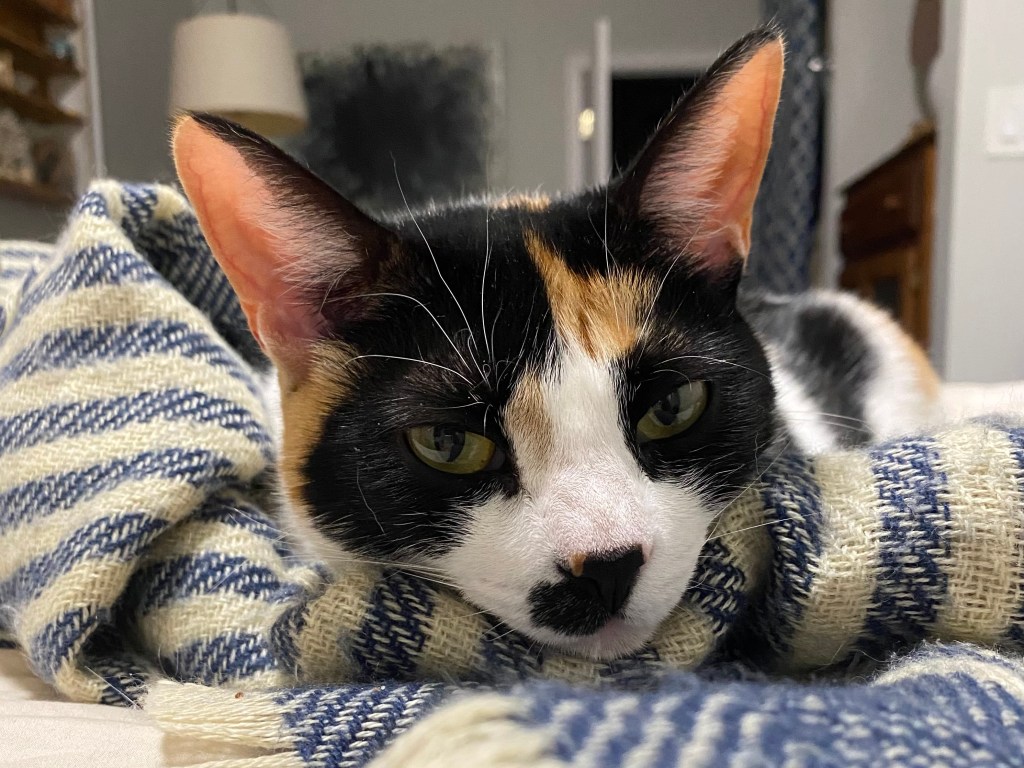


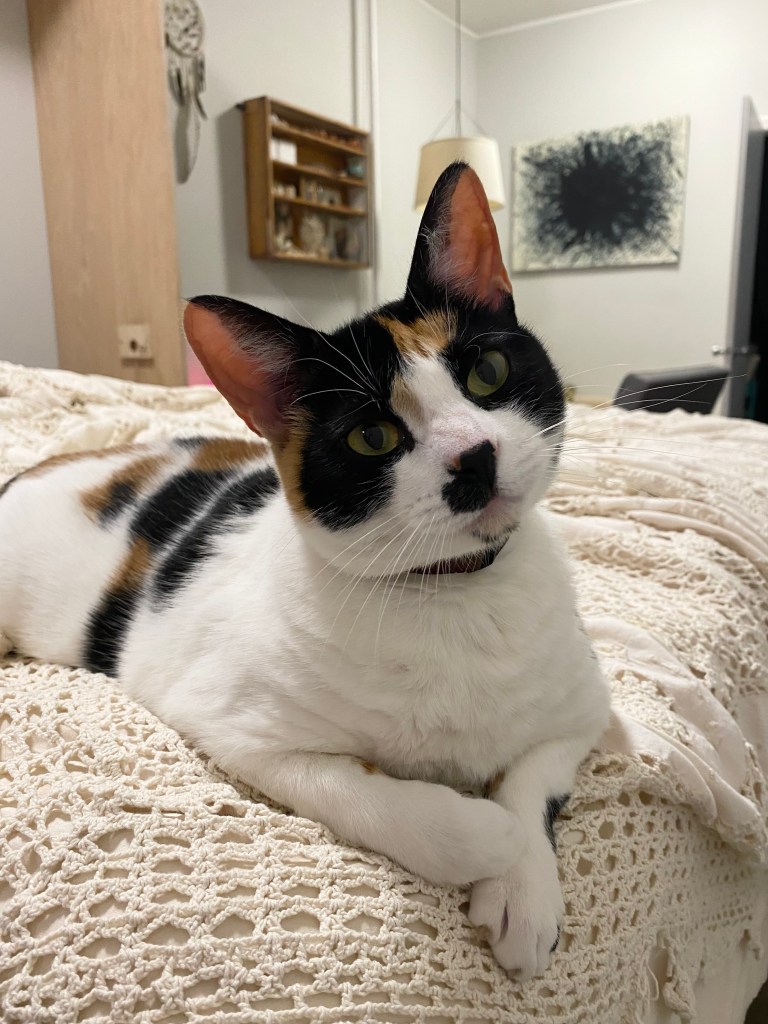


 I was pretty lucky to score an extra week and a bit in New York City thanks to these guys each needing a house and cat sitter. While I preferred the location of the Prospect Heights apartment, I think the South Slope sit offered a unique experience with the apartment’s railroad-style layout. It’s something I haven’t seen before and probably won’t see again. I did, however, miss having a washing machine and some extra space, but I was rewarded with these NYC luxuries in Prospect Heights.
